
Selecting the right freight transportation method is one of the most important decisions in logistics planning. The choice directly impacts delivery speed, cost efficiency, cargo safety, and overall supply chain performance. Businesses must carefully evaluate their shipment requirements to determine the most suitable option.
Road freight is one of the most widely used transportation methods for domestic and regional deliveries. It offers flexibility, door-to-door service, and efficient handling of short to medium-distance shipments. With a well-developed road network, it is ideal for time-sensitive deliveries within countries or neighboring regions.
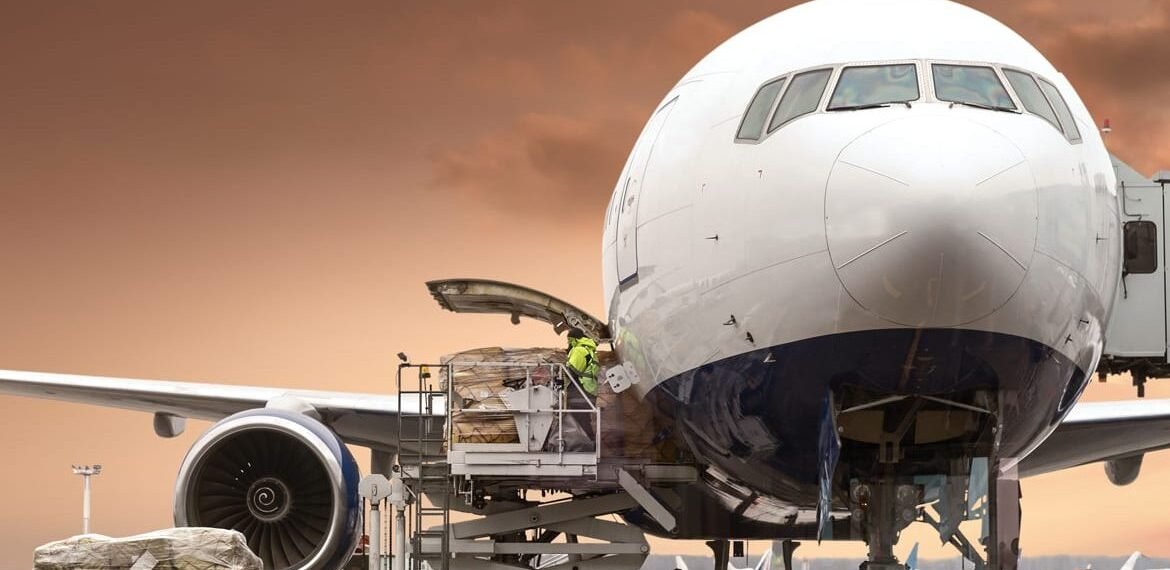
Air freight is the fastest transportation method, making it ideal for urgent and high-value shipments. It significantly reduces transit time and provides reliable scheduling. However, it is generally more expensive than other options, so it is best suited for lightweight or time-critical cargo.
Ocean freight is the most cost-effective solution for transporting large volumes of goods internationally. It is commonly used for bulk shipments and containerized cargo. Although transit times are longer, it offers excellent value for businesses that prioritize cost over speed.
Rail freight provides a balanced solution between cost and efficiency, especially for long-distance inland transportation. It is environmentally friendly and capable of handling large volumes of cargo with consistent schedules.
Choosing the correct transportation method depends on several factors including delivery urgency, shipment size, budget, and destination. Many businesses also use a combination of freight methods to optimize their supply chain performance.
By understanding the strengths of each transportation mode, businesses can make smarter logistics decisions and improve overall operational efficiency.
